A recall you can count on
Coming back has to be the best thing that happens to your dog. A reliable recall is built in small steps: the name first, then "Come" at home, then outside with more and more going on.
- Make coming to you always worth it: a great treat or a game, every time, especially at first.
- Start with the name and "Come" indoors, where your dog will surely succeed.
- Add distance and distractions one at a time, using a long line outdoors until the recall is solid.
- Never call your dog for something it dislikes, and never scold it when it arrives, however long it took.
Why dogs don't come back
A dog that ignores "Come" in the park is not being defiant. It is making a choice between two things, and the squirrel, the smell or the other dog is simply more interesting than you are right now. Recall training is about tipping that choice your way, again and again, until coming back is a habit.
Many dogs also learn, without anyone meaning to teach it, that "Come" predicts something bad: the end of play, the leash going on, a bath, being shut in. Each of those moments makes the word a little less attractive.
- The word was never really taught. It was used before the dog knew what it meant.
- It was taught only indoors. A quiet room and a busy park are very different places for a dog.
- It was repeated. "Come, come, COME" teaches that the first few calls can be ignored.
- Arriving was not rewarded, or was even punished after a long wait.
Never scold a dog that has come back to you, even if it took a long time. From the dog's side, it is being punished for the last thing it did, which was coming to you.
Start with the name
Before your dog can come to you, it has to turn towards you. The name is the first step: it should mean "look at me, something good is about to happen".
- In a quiet room, say your dog's name once in a happy voice.
- The moment it turns its head to you, mark with a clicker or "Yes" and give a treat.
- Repeat a few times per session, at random moments, for a few days.
- When your dog turns within a second almost every time, try it while something mildly interesting is going on.
- Then try it outdoors, even while your dog is sniffing.
Use the name for good things only. If you need to interrupt your dog or stop it doing something, use a different sound, so the name stays a happy one.
How to teach "Come"
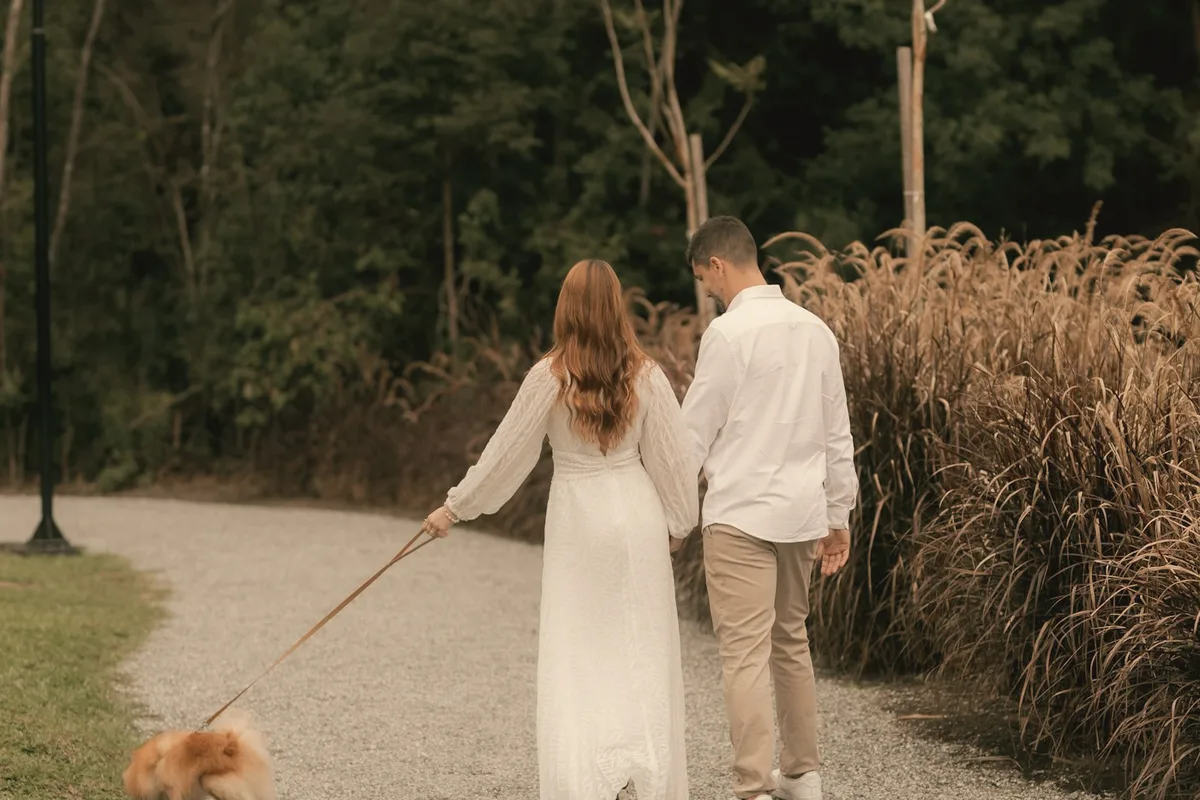
Choose one recall word and stick to it. "Come" or "Here" both work. If your dog has already learned to ignore one, pick a fresh word and start over; it is often faster than repairing the old one.
- Start a few steps away in a quiet room. Say your dog's name and "Come" once, then move backwards a little or crouch to make it easy.
- When your dog reaches you, mark and give a really good treat. Gently touch its collar or harness while it eats.
- Release it with a word like "Free" so coming to you does not always end the fun.
- Build up to calling from across the room and from another room.
- Move to a fenced yard or a quiet park on a long line, starting from a few meters away.
- Only then call your dog away from a smell or a mild distraction, with an extra special reward.
Call once. If your dog does not come, do not repeat the word louder; make yourself more interesting instead, by moving away, crouching or clapping, and next time make the task easier. A recall that works on the first call is what you are aiming for.
Coming to you should always pay off.
Keep a few very special treats, such as tiny pieces of cheese or chicken, for recall only. The bigger the distraction, the better the reward should be.
Check-ins: reward the glance
The best recall is one you barely need, because your dog keeps track of you on its own. You can build that by rewarding check-ins: any moment your dog looks at you without being asked.
At home, simply wait. When your dog glances at you, mark and treat. On a quiet walk, do the same whenever it looks back. Over time, a dog that checks in every 20 or 30 seconds is a dog that rarely drifts far, and when you do call, it is already half turned towards you.

Using a long line safely
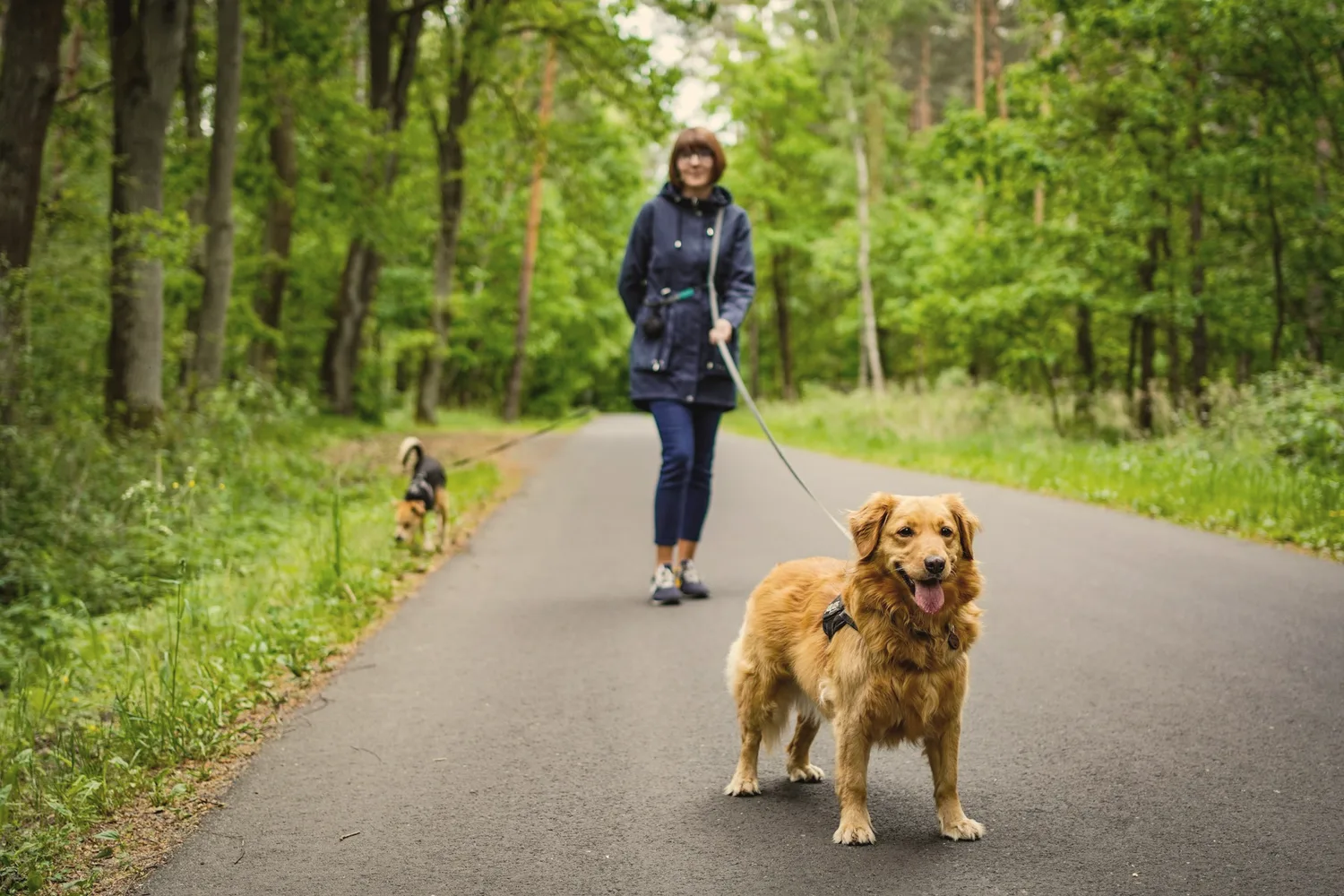
A long line, a light leash of about 5 to 10 meters, lets your dog have freedom while you practise outside, and makes sure it cannot practise ignoring you. Attach it to a harness rather than a collar, so a sudden stop does not jerk the neck.
- Let it trail on the ground or hold it loosely. It is a safety net, not a way to reel your dog in.
- Call only when you think your dog will come. If it is deep in a smell, wait for a better moment.
- Wear gloves if your dog is large, and keep the line from wrapping around hands or legs.
- Drop the line only once your dog comes on the first call in most tries, in a safe, enclosed place first.
| Stage | Goal before moving on |
|---|---|
| Name means treat | Turns to its name within a second, 9 of 10 tries |
| Name outside | Looks back on its name outdoors, 4 of 5 tries |
| Recall across the room | Runs to you on the first call, 4 of 5 tries |
| Recall in the yard or a quiet park | Comes from 5 meters on the first call, 4 of 5 tries |
| Recall away from distractions | Leaves a smell or distraction on the first call, 4 of 5 tries |
| Check-ins in busy places | Checks in at least twice a minute in a park |
Whistle recall: is it better?
A whistle sounds the same whoever blows it, whether you are calm or worried, and it carries further than a voice. That makes it a good second recall cue, especially for dogs that run far off-leash. It does not replace the spoken word; it sits alongside it.
- Charge the whistle at home: blow it once and immediately give a great treat. Repeat until your dog runs to you from the next room when it hears it.
- Use it outdoors on a long line from five to ten meters away.
- Add distractions gradually, always following the whistle with a big reward.
How long a reliable recall takes
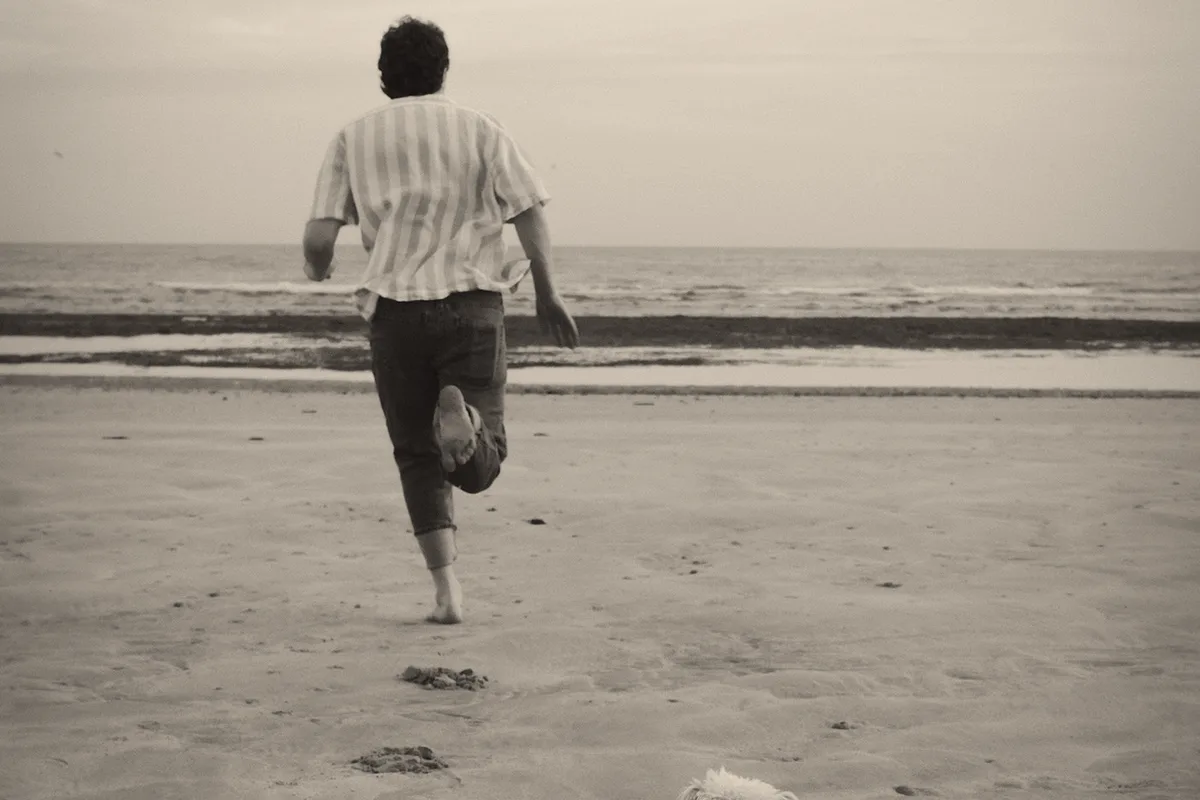
Recall is one of the skills that is never quite finished. Most dogs can learn to come across a room in a few days; coming away from another dog in a park can take months of practice. Keep training it for your dog's whole life, with a reward now and then even once it is reliable.
Breed and age play a part. Young dogs and dogs bred to follow scent or chase may find distractions much harder to leave. That does not mean they cannot learn; it means more stages in between and a long line for longer.
Practise recall many times on a walk, and send your dog back to play afterwards. That way "Come" stops meaning "the fun is over".
Recall training with Lapka
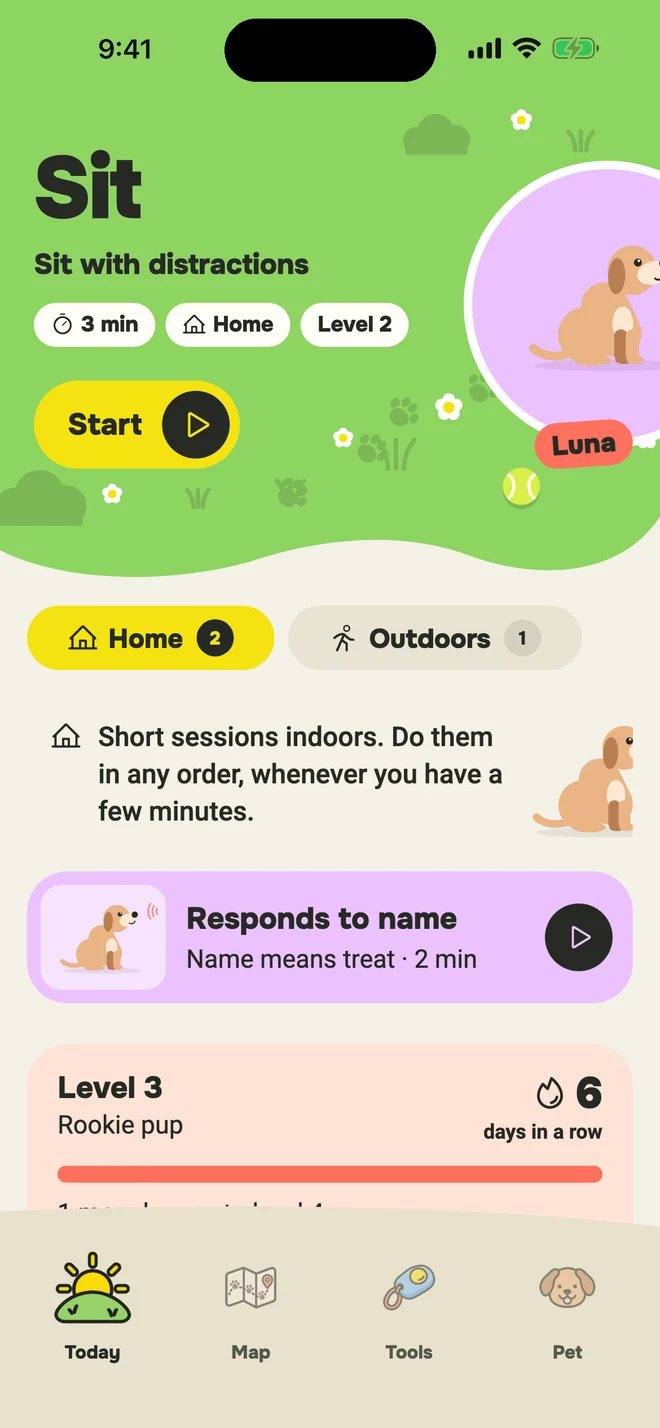
- Tell Lapka about your dog and choose recall as something to work on.
- Each day, get short lessons for the name, "Come", check-ins and the whistle, with the whistle itself in Tools.
- Say how it went. Lapka opens the next level when one works, and steps back with tips if you get stuck.
Frequently asked questions
Why does my dog ignore me at the park?
Outside, everything is more interesting than at home. Train recall level by level, from a quiet room to busy places, so the cue keeps working as distractions grow.
Is a whistle better than a word?
A whistle sounds the same whoever blows it and carries far. It works best as a second cue, taught alongside the spoken one.
Should I punish my dog for not coming?
No. Punishment makes coming to you less attractive. Make the task easier next time and reward every arrival.
When can my dog go off-leash?
When it comes on the first call in most tries on a long line, with distractions, and only in safe places where off-leash dogs are allowed.
What if my dog runs away when I approach?
Do not chase. Move away from your dog or crouch down, which invites it to follow you, and reward it when it arrives.